A fact of life for car owners is that they'll need to keep up on their vehicle's maintenance and repairs. Ongoing maintenance of a vehicle is unavoidable, but if you're proactive about it, you can minimize the time and expense required. And when it comes to the really serious matters of maintenance that go far beyond a fresh coat of wax, it’s always best to really be on top of it, given that your safety relies on it. This is seldom more true than when it comes to your car's alignment.
What causes alignment problems?
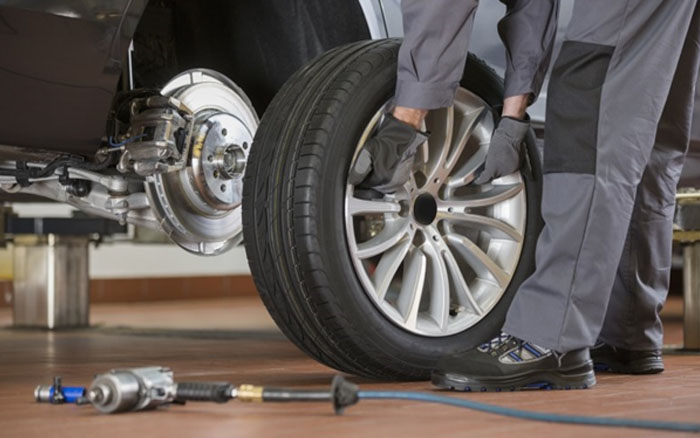
Cars are complex devices, and the factors that cause problems with them can be complex, too. This is particularly true when it comes to your car's alignment. Impact is a very common cause of alignment issues. It’s no surprise that if you’re involved in a big fender-bender, your car’s alignment will likely be affected. But even a relatively minor impact like hitting the curb or running over a pothole can play havoc with your axles. Even worn-down parts can upset your car’s proper alignment over time, which is another reason why being diligent about regular checkups and servicing is essential.
Fast tyre wear
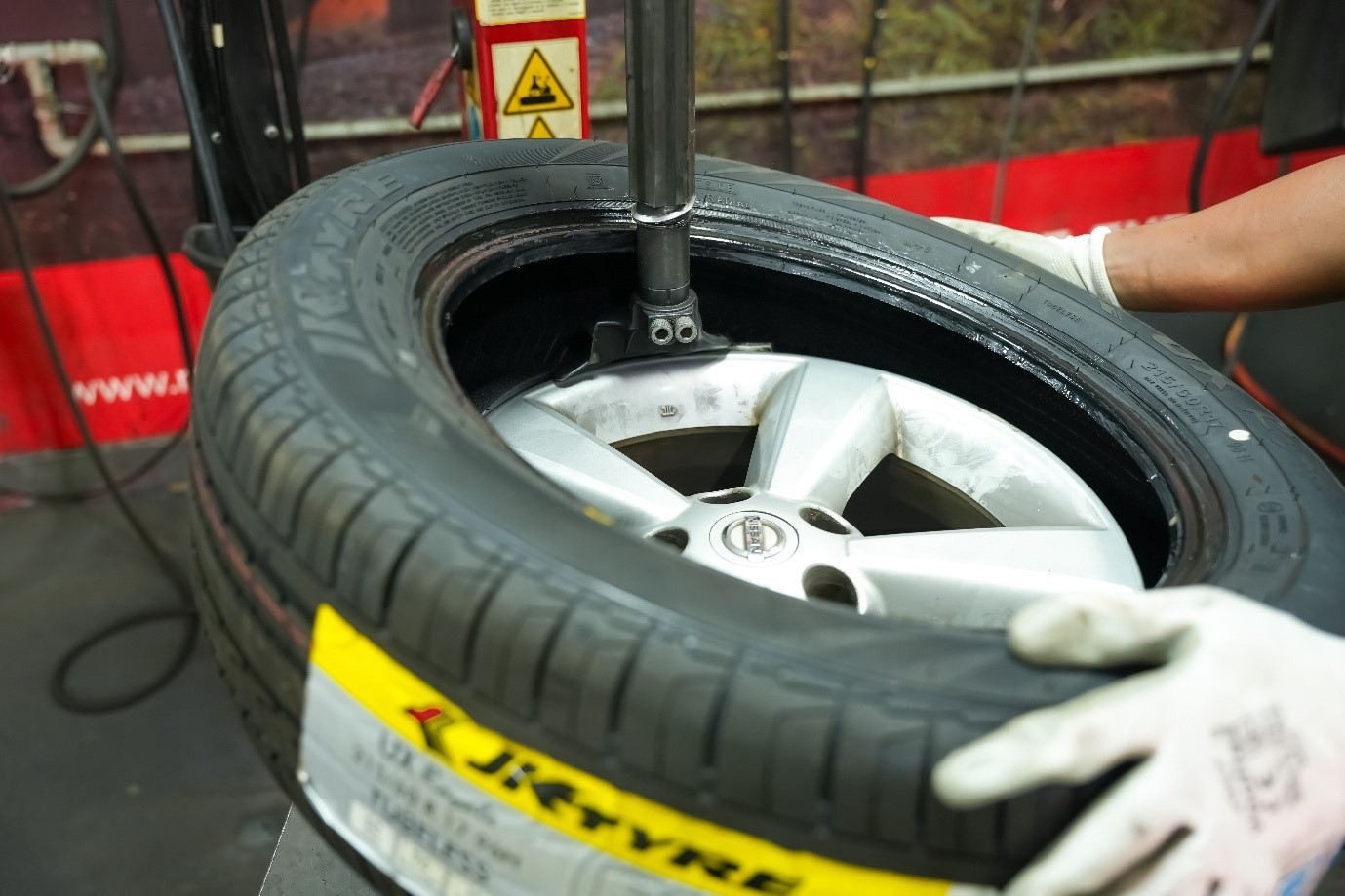
Stats show the average vehicle is driven 13.4 thousand kilometers each year. So it’s no surprise that when there’s something wrong with your alignment, all those kilometers can really begin to add up fast in wear and tear. There is, of course, no hard-and-fast rule for how long your tyres should last, since every set of tyres will wear differently depending on the driver’s habits
Uneven tyre wear
In addition to your tyres wearing out faster than normal, uneven tyre wear may also be a sign that your car is out of alignment. Uneven tyre wear can be hard to gauge sometimes, if one tyre has sustained damage like a bubble or puncture due to a rock or other piece of road debris.
Conclusion
There are vehicles built to transport heavy gear, and have the weight distribution to manage it. Your humble commuter car may not, so if you need to move lots of weighty goods from now on, it's best to consider hiring or acquiring a new vehicle to avoid constant issues with alignment.